
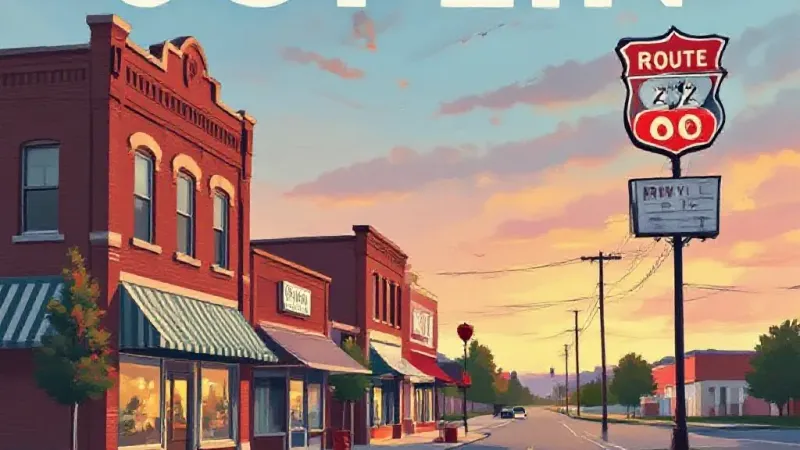
Neosho is embracing the upcoming 250th anniversary of the United States in 2026 by integrating new patriotic efforts into its annual “Celebrate Neosho” festival. The city's event typically highlights patriotism, family activities, and community pride through fireworks, contests, outdoor games, and downtown festivities. Local organizations are expanding these traditions to make the semiquincentennial celebration even more meaningful.
A key local initiative is the “250 Flags on America’s 250th” campaign, launched by the Rotary Club of Neosho. This project encourages residents and businesses throughout the city to display American flags during Independence Day celebrations. The Rotary Club states that this effort symbolizes unity, freedom, and pride, connecting both the nation and the local community. Neosho’s involvement reflects broader values found across Missouri, including patriotism, remembrance, and community engagement. While larger cities may host major national events, smaller communities like Neosho demonstrate how local traditions and civic pride continue to shape the American story.
This local enthusiasm aligns with a statewide initiative, “Show-Me America 250,” which encourages Missourians to educate, engage, and celebrate the nation’s history, freedom, and civic spirit. Organized by the America 250 Missouri Commission, the effort includes a range of activities such as school programs, historical exhibits, festivals, parades, and public ceremonies. These events are designed to remind citizens of the importance of the Declaration of Independence and the nation’s founding ideals. Throughout Missouri, institutions like The State Historical Society of Missouri and Northwest Missouri State University are participating by offering lectures, podcasts, exhibits, and educational programs that focus on American history and Missouri’s role in the nation’s growth. State leaders hope these activities will inspire pride in the country’s past and encourage citizens to shape their communities' future.
The 250th anniversary marks a significant milestone since the Declaration of Independence was adopted on July 4, 1776. This document formally declared the thirteen American colonies were no longer part of Great Britain, instead forming the United States of America. This moment capped years of growing tension and conflict. For more than a century, from the early 1600s until the late 1700s, the American colonies developed along the eastern coast of North America under British laws, trade restrictions, and royal authority, beginning with permanent settlements like Jamestown in 1607.
Tensions escalated as colonists increasingly objected to “taxation without representation,” strict trade laws, and a lack of self-governance. The idea of independence slowly took shape during the mid-1700s, particularly after events like the French and Indian War. Britain's resulting debt led to increased taxes on the colonies, including the Stamp Act and Tea Act. By the early 1770s, many colonists questioned British authority entirely, with events such as the Boston Tea Party and the outbreak of fighting at Lexington and Concord in 1775 pushing the colonies toward revolution.
Central to the founding of the nation was George Washington, appointed Commander-in-Chief of the Continental Army in 1775. Despite the colonial forces being inexperienced and poorly supplied compared to the British military, Washington's leadership, resilience, and strategic thinking were crucial. He led the army through harsh winters, coordinated with allies like France, and secured crucial victories, including the decisive Battle of Yorktown in 1781. After the war, Washington's influence continued as he became the first President of the United States in 1789, helping to shape the new government and establish lasting traditions.
The American flag, a recognizable symbol of the nation, also dates to the Revolutionary War. The Continental Congress adopted the first official flag on June 14, 1777, featuring 13 stars for the original colonies and 13 stripes symbolizing their unity. As the nation grew, new stars were added for each state, while the number of stripes was fixed at 13 to honor the original colonies. Today's flag bears 50 stars and 13 stripes.
The upcoming anniversary in 2026 offers Americans an opportunity to reflect on a journey of growth, resilience, and progress. The United States has faced challenges throughout its history, but each generation has contributed to its advancement by striving to expand freedom, opportunity, and equality. This milestone celebrates the American spirit and the ideals of liberty, democracy, and unity that continue to guide the nation. Through festivals, historical education, public displays of patriotism, and community participation, Neosho and other Missouri communities are helping honor the nation’s past while looking ahead to its future.